
Specialist Sourcing • Mobile Parts Quality Control
Mobile Parts Quality Control Before Shipment
Check mobile-phone screens and replacement components against an agreed specification while the goods are still in China. Every display in our standard inspection process is checked individually against the agreed visual and functional requirements — and where units fail, we coordinate their return to the supplier and check the replacements before the affected goods are cleared for shipment.

In China
Inspection location
Every unit
Display testing
Within 24 hrs
Report after inspection
Why inspect in China
Find Problems Where They Can Still Be Addressed
Once mobile parts have crossed borders, a quality dispute becomes slower and more expensive. Goods may need to be returned, replaced or credited while the buyer also manages installation delays and customer claims.
A pre-shipment inspection does not remove every risk, but it creates a separate inspection checkpoint before release. Findings can be documented and raised with the supplier while the goods remain in China, where defective units can still be returned and replaced.
China Sourcing Solutions can inspect a supplier we sourced or work with a supplier selected directly by the client. Where the client selected the supplier, returns and replacements remain subject to the terms agreed with that supplier.

Function testing
Touch, display and connector checks run against the agreed test scope.
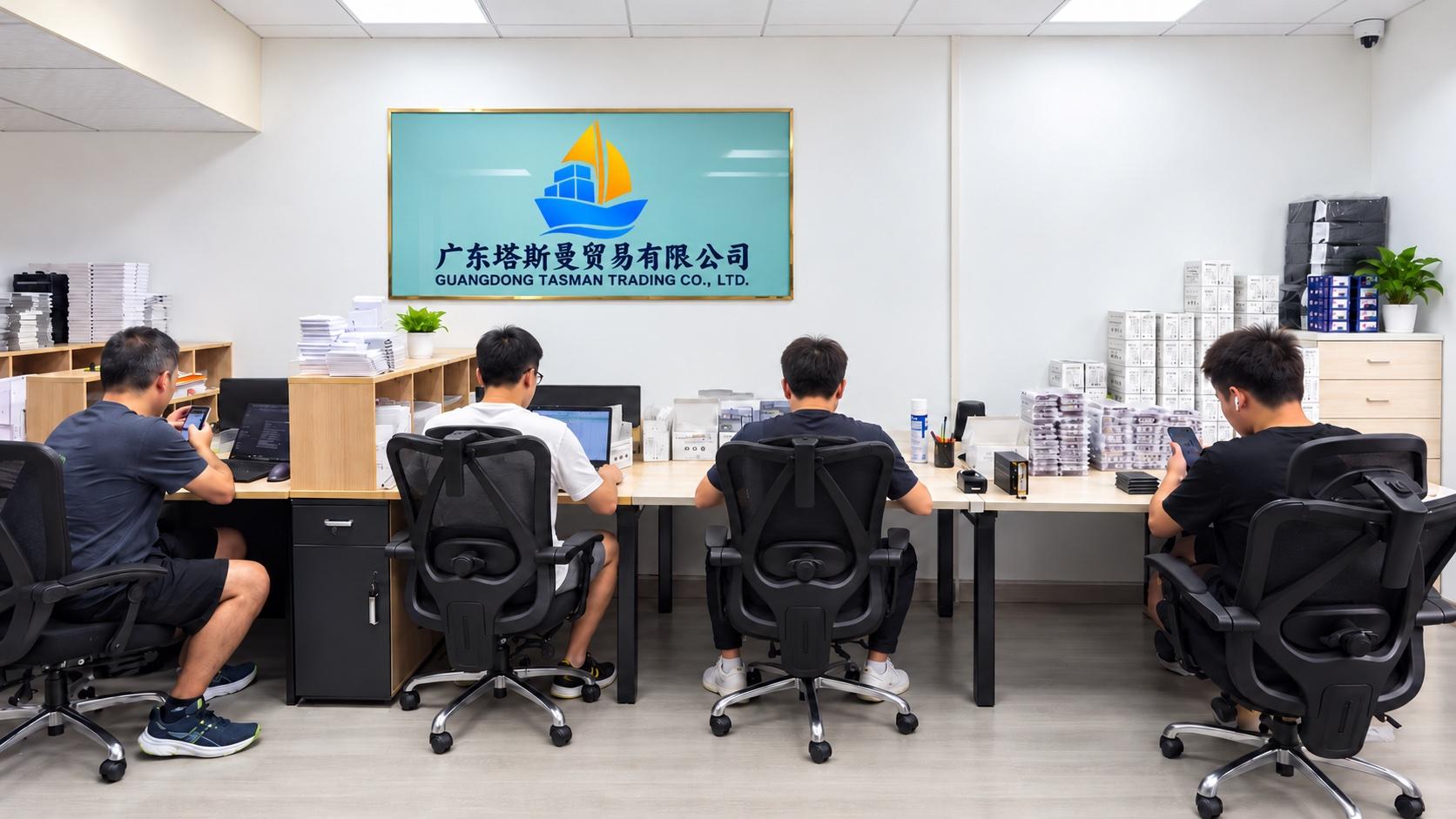
Checked before packing
Quantities, labelling and packaging recorded while the goods are still in China.
What we check
What We Inspect
Four categories, scoped to the product, order value and risk. The agreed scope is confirmed in writing before inspection.
Product and quantity verification
- Model, part-number and stated grade
- Quantity by model, colour and configuration
- With-frame or without-frame verification
- Carton, inner-box and product labelling
Visual and workmanship checks
- Screen surface and cosmetic condition
- Visible dust, lint, bubbles and pressure marks
- Flex-cable, connector and frame condition
- Signs of handling or packaging damage
Functional checks
Where suitable fixtures, devices or test equipment are available and included in scope:
- Display power-on and image-output checks
- Touch response and agreed touch-area checks using compatible test equipment
- Bright or dead pixels, display lines, brightness or uniformity abnormalities, and LCD backlight issues where applicable
- Visible connector condition and agreed functional checks
Functional checks are limited to the agreed test method and available equipment. The report records any equipment or compatibility limitation.
Packaging checks
- Individual screen protection and separation of fragile parts
- Anti-static or protective packaging where specified
- Inner-carton and export-carton condition
- Model separation, carton count and shipping marks
100% Display Inspection Before Shipment
Every mobile-phone display in our standard inspection process is checked against the agreed visual and functional requirements before shipment.
The checks are designed to identify display abnormalities, touch-response failures, visible defects and connector problems, according to the applicable model and the available test equipment.
Displays that fail these checks are returned to the supplier for replacement, and the replacement units are checked before they are included in the shipment.
Mobile-phone displays
Unit-level checks across the order as standard. Checking every display does not mean running every possible laboratory, longevity or device-compatibility test on each unit — the agreed checks are the ones listed above.
Additional inspection requirements
For packaging, other mobile-phone components or specialised testing, the scope is set by the product, quantity and the buyer's requirements. Any sample-based checks, exclusions and additional testing requirements are confirmed before inspection.
The inspection quotation will state:
- Lot size
- Units covered
- Test method
- Acceptance criteria
- Equipment required
- Known exclusions and limitations
Defect management
We Don't Just Report Defects. We Coordinate Replacements.
Displays that fail the agreed checks are identified and returned to the supplier for replacement before the affected units are cleared for shipment.
Inspect and identify defects
Screen appearance, touch performance, connectors and other agreed characteristics are assessed.
Separate and document rejected units
Failed units are identified and recorded with their model, quantity and defect findings.
Return failed units to the supplier
We coordinate the return of defective parts and their replacement with the supplier.
Receive replacement units
Supplier replacements are matched against the original order and recorded.
Verify replacements before shipment
Every replacement display is checked against the agreed visual and functional requirements. Replacement quantities and inspection outcomes are recorded, and the buyer retains final shipment approval.
If inspection reveals a wider batch-quality problem, the affected lot is flagged for the buyer to agree on further inspection or corrective action before release.
Inspection results
Clear Findings. Documented Follow-Up.
An illustrative example of how inspection findings are recorded and used to manage defective units.
Illustrative example — initial inspection
1,149
Units checked
978
Passed
171
Rejected
Replacement follow-up
The figures illustrate how findings are recorded. They describe the initial inspection of a batch, not a completed replacement cycle, and the replacement outcome is reported separately once the units have been received and checked.
What your report includes
Unit-level result
Each display passes or fails its agreed checks. Units that fail are documented and returned to the supplier for replacement.
Lot-level status
The order is recorded as pass, conditional pass or fail against the applicable criteria, the outstanding defects and the corrective action taken. A rejected display does not necessarily mean the whole order is rejected, particularly where the failed units are replaced.
The client makes the final release decision — we provide the evidence and our recommendation, but do not approve shipment without the client's instruction.
Inspection scope and limitations: every display covered by our standard process is checked against the agreed visual and functional requirements before shipment. Testing identifies detectable defects within the defined scope, but cannot guarantee against every potential fault, and damage or failure may also occur during transport, handling or installation. Our reports document the checks performed; they are not manufacturer certification, a guarantee of future performance, or destination-country compliance — accredited lab testing can be arranged separately.
FAQ
Frequently Asked Questions
Can you inspect an order from a supplier we found ourselves?+
Yes. The inspection service can be purchased independently. We require the purchase order, product specification, supplier details and agreed access before confirming the inspection.
Do you test every screen?+
Yes. Every mobile-phone display covered by our standard inspection process is checked against the agreed visual and functional requirements before shipment. Screens that fail are returned to the supplier for replacement, and the replacement displays are checked before they are included in the order. The specific tests, and any equipment or compatibility limitation, depend on the display model and the agreed inspection requirements. For other mobile parts, the scope is set by the product and may include sample-based checks.
What equipment do you use?+
Equipment depends on the models and required checks. The available fixture or test-device requirements are confirmed during scoping. Any limitation is recorded before the inspection proceeds.
Can inspection prove that a part is genuine?+
Visual or functional inspection alone cannot establish genuine origin. Genuine claims require appropriate supplier documentation and traceability, which may be reviewed separately.
What happens when displays fail inspection?+
Failed displays are identified, documented and returned to the supplier for replacement. Once the replacement units are received, they go through the agreed inspection checks before being included in the shipment, and we record the findings and replacement outcomes so the buyer can review the results before approving release. If inspection reveals a wider batch-quality issue, we discuss the findings and corrective options with the buyer before proceeding. For orders involving a buyer-selected supplier, replacement arrangements are subject to the terms agreed with that supplier.
Is this the same as product certification?+
No. A sourcing inspection checks the agreed order requirements. Accredited testing or legal certification must be arranged separately when required.
Check the Batch Before You Approve Shipment
Send us the product specification, supplier location, order quantity and expected completion date. We will confirm the appropriate inspection scope and quotation.